Masterpieces of world art: famous paintings, history, and value | Artatlas
Katsushika Hokusai, The Great Wave off Kanagawa

Catalog of iconic works

Masterpieces of World Art

This catalog is arranged as a large digital exhibition, moving from Renaissance icons to the defining images of twentieth-century modernism. Each work comes with a short history, museum context, an explanation of value, and cues for closer looking.

Search by era and creator

A large exhibition of famous works with history and museum context

Leonardo da Vinci, Mona Lisa

Mona Lisa

Leonardo da Vinci c. 1503-1506

Louvre, Paris

Stolen from the Louvre in 1911 — and it was the two-year manhunt that made her the most famous painting on earth.

Leonardo da Vinci began the Mona Lisa in Florence in the early sixteenth century and appears to have kept refining it for years, carrying the portrait with him as he adjusted its smoky transitions, hands, and famously elusive expression. That prolonged, almost meditative process is one reason the painting became one of the most studied and enigmatic images in art history.

Intro source: Wikipedia (EN)

More details
Sandro Botticelli, The Birth of Venus

The Birth of Venus

Sandro Botticelli c. 1484-1486

Uffizi Gallery, Florence

Botticelli painted this giant on canvas rather than a panel — light enough to move between the Medici villas.

Botticelli painted The Birth of Venus for the Medici milieu in Florence, joining classical myth, humanist poetry, and an unusually weightless figure in motion. The picture became a lasting emblem not only of beauty, but of the Renaissance ambition to reconcile nature, the body, and ideal harmony.

Intro source: Uffizi

More details
Claude Monet, Impression, Sunrise

Impression, Sunrise

Claude Monet 1872

Musee Marmottan Monet, Paris

The word 'Impressionism' was born as a sneer at this painting's title — and it was stolen in 1985, recovered only five years later.

Impression, Sunrise is an 1872 painting by Claude Monet first shown at what would become known as the "Exhibition of the Impressionists" in Paris in April, 1874. The painting is credited with inspiring the name of the Impressionist movement.

Intro source: Wikipedia (EN)

More details
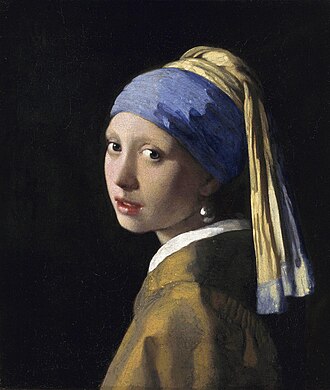
Katsushika Hokusai, The Great Wave off Kanagawa
07 Ukiyo-e

The Great Wave off Kanagawa

Katsushika Hokusai c. 1831

The Met, New York

Those aren't fishermen under the wave — they're courier crews rushing live fish to the markets of Edo.

The Great Wave off Kanagawa is a woodblock print by the Japanese ukiyo-e artist Hokusai (1760–1849), created in late 1831 during the Edo period of Japanese history. The print depicts three boats moving through a storm-tossed sea, with a large, cresting wave forming a spiral in the centre over the boats and Mount Fuji in the background.

Intro source: Wikipedia (EN)

More details
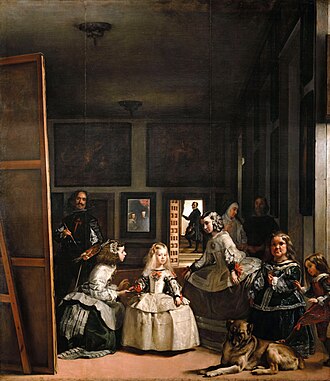
Vincent van Gogh, The Starry Night

The Starry Night

Vincent van Gogh 1889

Museum of Modern Art, New York

Van Gogh painted it in the Saint-Rémy asylum — from his window, though the village below is invented.

The Starry Night, is an oil-on-canvas painting by the Dutch Post-Impressionist painter Vincent van Gogh. Painted in June 1889, it depicts the view from the east-facing window of his asylum room at Saint-Rémy-de-Provence, just before sunrise, with the addition of an imaginary village.

Intro source: Wikipedia (EN)

author: Beehivebaker · license: CC BY-SA 4.0 · Wikimedia Commons

More details
Gustav Klimt, The Kiss

The Kiss

Gustav Klimt 1908-1909

Belvedere, Vienna

Klimt used real gold leaf — and the lovers stand at the very edge of a flowering cliff, a single step from the abyss.

The Kiss is an oil-on-canvas painting with added gold leaf, silver and platinum by the Austrian Symbolist painter Gustav Klimt. It was painted at some point in 1907 and 1908, during the height of what scholars call his "Golden Period".

Intro source: Wikipedia (EN)

More details
Edvard Munch, The Scream

The Scream

Edvard Munch 1893

National Museum, Oslo

One version bears the scrawl 'could only have been painted by a madman' — and the handwriting turned out to be Munch's own.

The Scream is an art composition created by Norwegian artist Edvard Munch in 1893. The Norwegian name of the piece is Skrik ('Scream'), and the German title under which it was first exhibited is Der Schrei der Natur.

Intro source: Wikipedia (EN)

More details
Pablo Picasso, Guernica

Guernica

Pablo Picasso 1937

Museo Reina Sofia, Madrid

Picasso painted the near-25-foot canvas in 35 days — and banned it from Spain for as long as Franco lived.

Picasso painted Guernica in 1937 for the Spanish Pavilion at the Paris International Exposition after the bombing of the Basque town of Guernica. The vast monochrome canvas turned the horror of the Spanish Civil War into one of the defining anti-war images of the twentieth century.

Intro source: Wikipedia (EN)

More details
Grant Wood, American Gothic

American Gothic

Grant Wood 1930

Art Institute of Chicago, Chicago

They're father and daughter, not a married couple — the models were the artist's sister and his dentist.

American Gothic is a 1930 oil painting on beaverboard by the American Regionalist artist Grant Wood, depicting a Midwestern farmer and his wife or daughter standing in front of their Carpenter Gothic style home. It is one of the most famous American paintings of the 20th century and is frequently referenced in popular culture.

Intro source: Wikipedia (EN)

More details
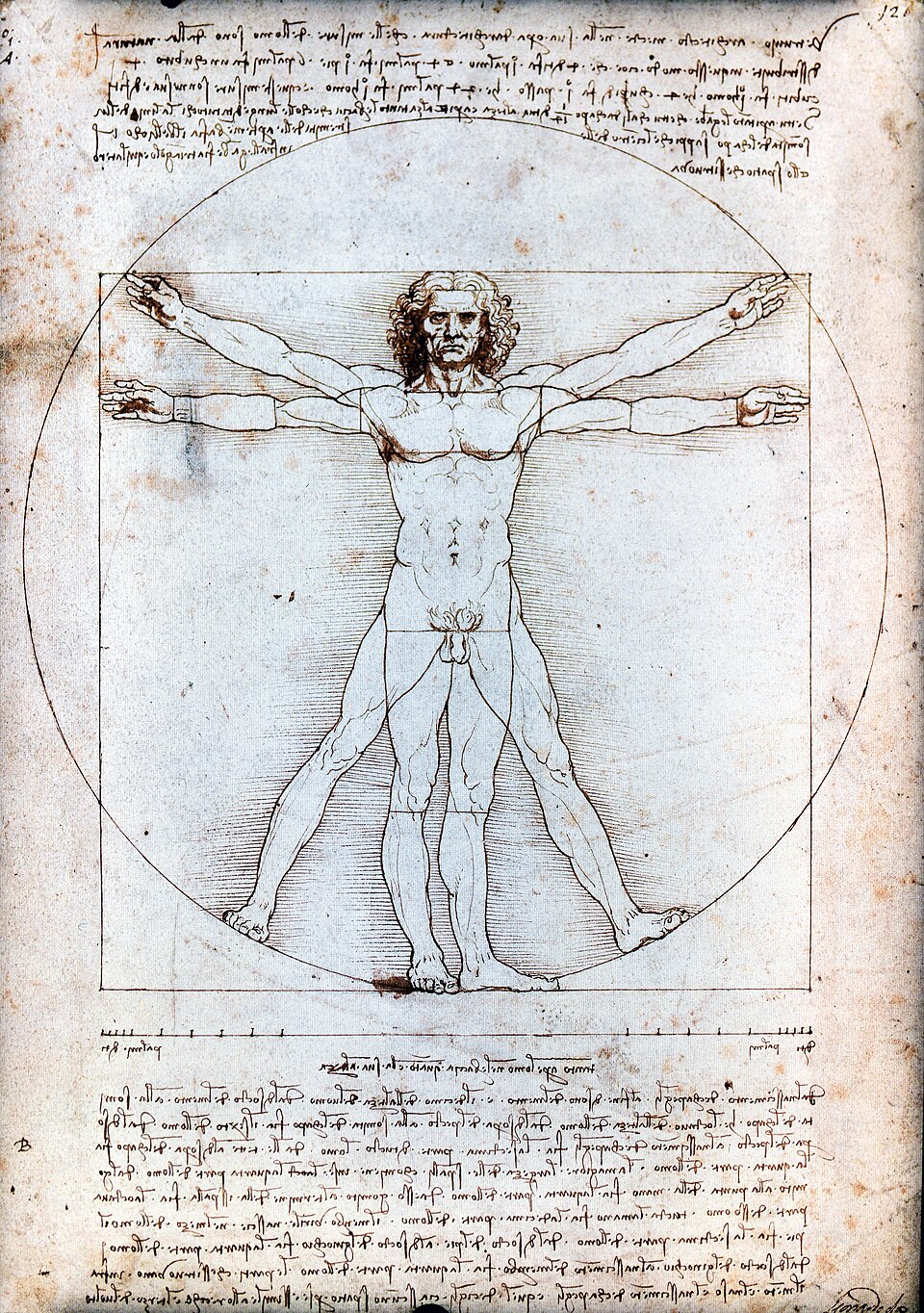
Leonardo da Vinci, Vitruvian Man

Vitruvian Man

Leonardo da Vinci c. 1490

Gallerie dell'Accademia, Venice

Italy blocked its 2019 loan to the Louvre — and it's actually two drawings overlaid, its margins filled in Leonardo's mirror writing.

Vitruvian Man is a drawing by the Italian Renaissance artist and scientist Leonardo da Vinci, dated to c. 1490. Inspired by the Roman architect Vitruvius, it depicts a nude man in two overlapping standing positions, inscribed within a circle and a square.

Intro source: Wikipedia (EN)

More details
Frida Kahlo, Self-Portrait with Thorn Necklace and Hummingbird

Self-Portrait with Thorn Necklace and Hummingbird

Frida Kahlo 1940

Harry Ransom Center, Austin

The dead hummingbird is a Mexican love charm — on Kahlo it hangs lifeless from a necklace of thorns.

Self-Portrait with Thorn Necklace and Hummingbird is a 1940 self-portrait by Mexican painter Frida Kahlo which also includes a black cat, a monkey, and two dragonflies. It was painted after Kahlo's divorce from Diego Rivera and the end of her affair with photographer Nickolas Muray.

Intro source: Wikipedia (EN)

More details
Frida Kahlo, The Broken Column

The Broken Column

Frida Kahlo 1944

Museo Dolores Olmedo, Mexico City

In place of her spine, a cracked classical column — Kahlo painted it after spinal surgery, wearing a steel corset for months.

The Broken Column is an oil on masonite painting by Mexican artist Frida Kahlo, painted in 1944 shortly after she had spinal surgery to correct on-going problems which had resulted from a serious traffic accident when she was 18 years old.

Intro source: Wikipedia (EN)

More details
Marina Abramović, Rhythm 0

Rhythm 0

Marina Abramović 1974

Studio Morra, Naples

72 objects on the table — including a loaded gun; by the sixth hour a spectator had pressed it to Abramović's head.

Rhythm 0 is Marina Abramović's 1974 performance in which she stood motionless for six hours beside 72 objects and allowed the public to use them on her as they wished. It became a brutal lesson in spectatorship, bodily vulnerability, and how quickly collective freedom can turn into violence.

Intro source: Wikipedia (EN)

Instead of performance documentation, the site shows a public portrait of the artist from Wikimedia Commons (context and educational use).

author: StagiaireMGIMO · license: CC BY-SA 4.0 · Wikimedia Commons

More details
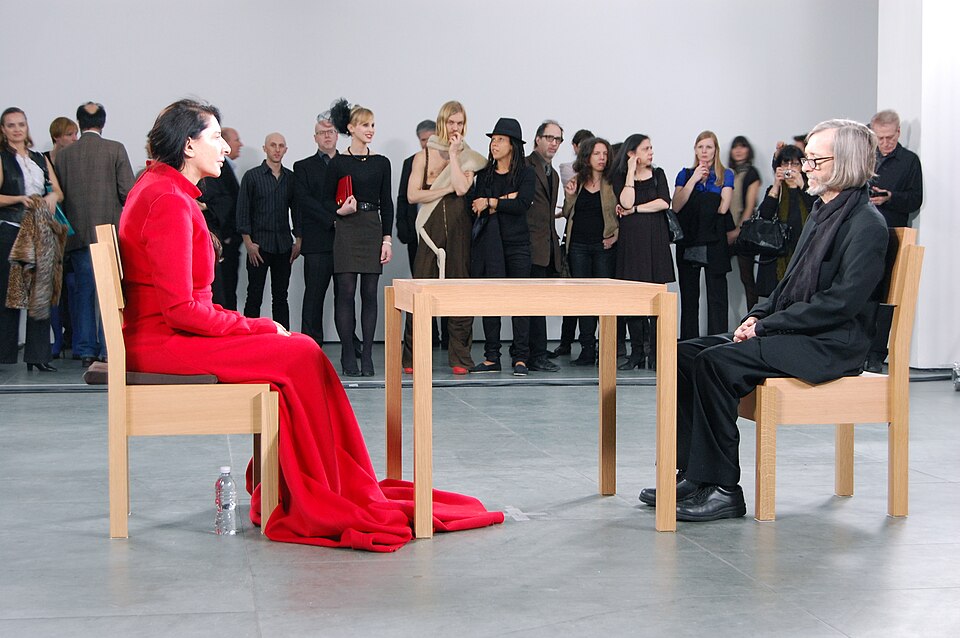
Marina Abramović, The Artist Is Present

The Artist Is Present

Marina Abramović 2010

Museum of Modern Art, New York

Abramović sat for 736 hours over three months — then her ex Ulay appeared unannounced, sat down across from her, and both wept.

In 2010, at MoMA, Marina Abramović spent nearly three months sitting silently at a table and inviting visitors to meet her gaze one by one. The performance turned simple presence into an emotionally charged event and became one of the most discussed museum works of the twenty-first century.

Intro source: MoMA

author: Andrew Russeth · license: CC BY-SA 2.0 · Wikimedia Commons

More details
Marina Abramović, Balkan Baroque

Balkan Baroque

Marina Abramović 1997

Venice Biennale, Venice

Abramović scrubbed 1,500 bloody cow bones six hours a day for four days — and won the Golden Lion.

Balkan Baroque is Marina Abramović's 1997 performance about the victims of the wars in former Yugoslavia. For four days she sat for hours on a heap of bloodied cow bones, scrubbing them while singing and speaking, turning the impossibility of cleansing into an image of collective grief and memory.

Intro source: Wikipedia (EN)

Instead of performance documentation, the site shows a public portrait of the artist from Wikimedia Commons (context and educational use).

author: StagiaireMGIMO · license: CC BY-SA 4.0 · Wikimedia Commons

More details
All 184 artworks - text index

Hall 01

  1. Mona Lisa
  2. The Birth of Venus
  3. The Arnolfini Portrait
  4. Girl with a Pearl Earring
  5. Las Meninas
  6. Impression, Sunrise
  7. The Great Wave off Kanagawa
  8. The Starry Night
  9. The Kiss
  10. The Scream
  11. Composition VIII
  12. The Persistence of Memory
  13. Guernica
  14. Les Demoiselles d’Avignon
  15. American Gothic
  16. Nighthawks
  17. Vitruvian Man
  18. The Two Fridas
  19. Self-Portrait with Thorn Necklace and Hummingbird
  20. The Broken Column
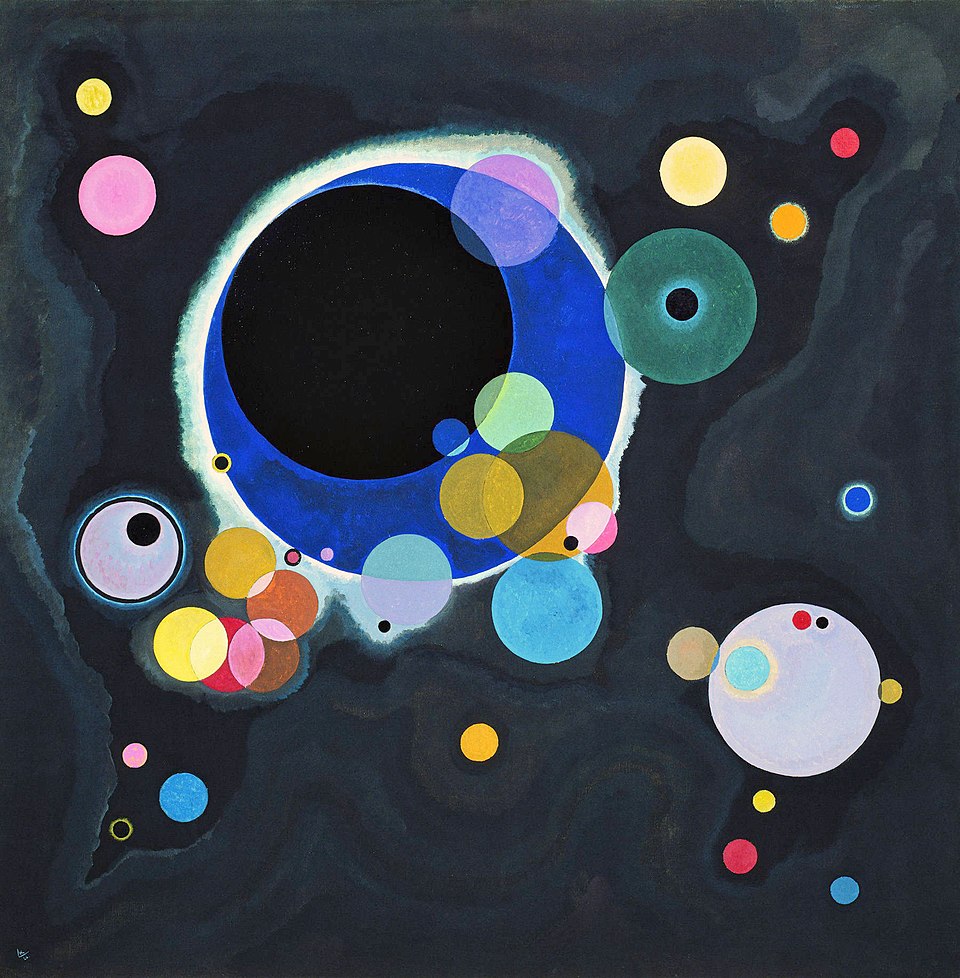
  21. Several Circles
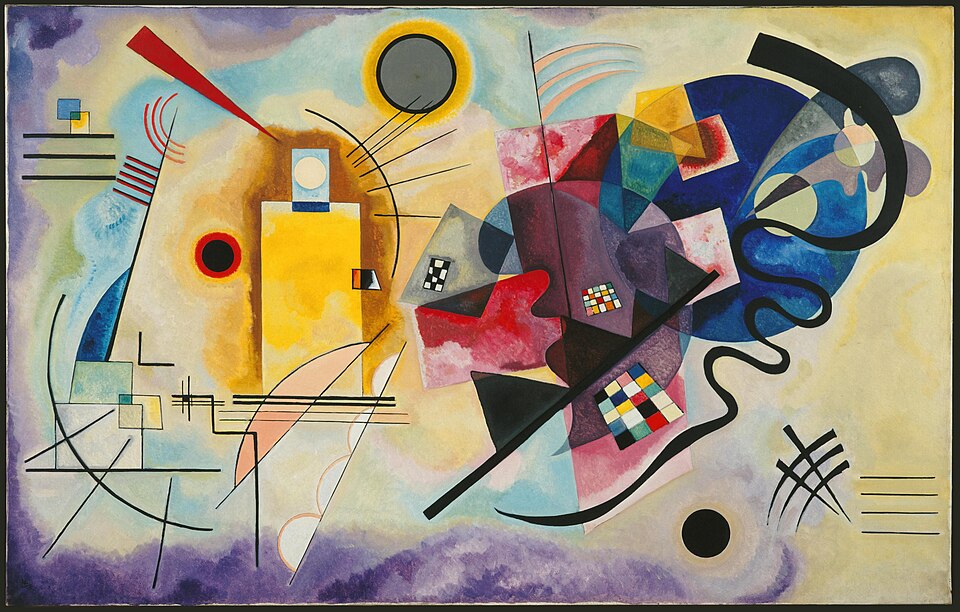
  22. Yellow-Red-Blue
  23. Rhythm 0
  24. The Artist Is Present
  25. Balkan Baroque

Hall 02

  1. Bust of Queen Nefertiti
  2. Winged Victory of Samothrace
  3. Adam and Eve
  4. Ghent Altarpiece
  5. Holy Trinity
  6. Isenheim Altarpiece
  7. Lady with an Ermine
  8. Primavera
  9. The Ambassadors
  10. The Creation of Adam
  11. The Garden of Earthly Delights
  12. The Harvesters
  13. The Hunters in the Snow
  14. The Last Judgment
  15. The Last Supper
  16. The Marriage of the Virgin
  17. The School of Athens
  18. The Tempest
  19. Venus of Urbino
  20. Apollo and Daphne
  21. Ecstasy of Saint Teresa
  22. Judith Slaying Holofernes
  23. Las Hilanderas
  24. The Anatomy Lesson of Dr. Nicolaes Tulp

Hall 03

  1. The Art of Painting
  2. The Calling of Saint Matthew
  3. The Conversion of Saint Paul
  4. The Entombment of Christ
  5. The Milkmaid
  6. The Night Watch
  7. View of Delft
  8. The Swing
  9. The Death of Marat
  10. The Oath of the Horatii
  11. Charles IV of Spain and His Family
  12. La maja desnuda
  13. Liberty Leading the People
  14. Rain, Steam and Speed – The Great Western Railway
  15. Saturn Devouring His Son
  16. The Clothed Maja
  17. The Fighting Temeraire
  18. The Hay Wain
  19. The Nightmare
  20. The Raft of the Medusa
  21. The Slave Ship
  22. The Third of May 1808
  23. Wanderer above the Sea of Fog
  24. A Bar at the Folies-Bergère Sharon

Hall 04

  1. A Burial at Ornans
  2. Luncheon on the Grass
  3. Madame X (Virginie Amélie Avegno Gautreau)
  4. Olympia
  5. The Angelus
  6. The Fif
  7. The Gleaners
  8. The Gross Clinic
  9. The Horse Fair
  10. Whistler's Mother
  11. Bal du moulin de la Galette
  12. Gare Saint-Lazare (Monet series)
  13. Haystacks
  14. L'Absinthe
  15. Luncheon of the Boating Party
  16. Rouen Cathedral Series
  17. The Ballet Class
  18. Water Lilies
  19. A Sunday Afternoon on the Island of La Grande Jatte
  20. Bedroom in Arles
  21. Café Terrace at Night
  22. Irises
  23. Mont Sainte-Victoire
  24. Self-Portrait with Bandaged Ear

Hall 05

  1. Starry Night Over the Rhone
  2. Sunflowers
  3. The Card Players
  4. The Night Café
  5. Vision After the Sermon
  6. Wheatfield with Crows
  7. Where Do We Come From? What Are We? Where Are We Going?
  8. Le Talisman, l'Aven au Bois d'Amour
  9. Portrait of Adele Bloch-Bauer I
  10. The Dream
  11. The Lady of Shalott
  12. The Sleeping Gypsy
  13. Dance
  14. L'Atelier Rouge
  15. The Open Window
  16. Woman with a hat
  17. Black Square (1915)
  18. Broadway Boogie Woogie
  19. Composition II in Red, Blue, and Yellow
  20. Suprematist Composition
  21. Suprematist Composition: White on White
  22. Bird in Space
  23. David
  24. Little Dancer of Fourteen Years

Hall 06

  1. Moses
  2. Pietà (Michelangelo)
  3. The Burghers of Calais
  4. The Kiss
  5. The Kiss
  6. The Thinker
  7. Unique Forms of Continuity in Space
  8. Fine Wind, Clear Morning
  9. Marilyn Diptych
  10. The Son of Man
  11. The Descent from the Cross
  12. View of Toledo
  13. Whaam!
  14. Autumn Rhythm (Number 30)
  15. Girl with Balloon
  16. A Bigger Splash
  17. La Grande Odalisque
  18. At the Moulin Rouge
  19. Fountain
  20. Nude Descending a Staircase, No. 2
  21. Orange, Red, Yellow
  22. Sudden Shower over Shin-Ōhashi Bridge and Atake
  23. Jimson Weed/White Flower No. 1
  24. Untitled (Skull)

Hall 07

  1. The Cradle
  2. Balloon Dog
  3. The Physical Impossibility of Death in the Mind of Someone Living
  4. The Child's Bath
  5. Self-Portrait at Twenty-Eight
  6. Along the River During the Qingming Festival
  7. Newton
  8. Medusa
  9. Reclining Nude
  10. I and the Village
  11. Judith and the Head of Holofernes
  12. Bacchus and Ariadne
  13. The Jewish Bride
  14. Madonna
  15. Death and the Maiden
  16. Three Beauties of the Present Day
  17. Ophelia
  18. Flaming June
  19. Paris Street; Rainy Day
  20. Napoleon Crossing the Alps
  21. Campbell's Soup Cans
  22. The Treachery of Images
  23. The Rokeby Venus
  24. Shakuntala

Hall 08

  1. Lamentation of Christ
  2. The Lamentation over the Dead Christ
  3. The Descent from the Cross
  4. The Laughing Cavalier
  5. The Embarkation for Cythera
  6. Proserpine
  7. Senecio (Head of a Man)
  8. The Tilled Field
  9. The Annunciation
  10. Venus de Milo
  11. Trinity
  12. Barge Haulers on the Volga
  13. The Ninth Wave
  14. Man, Controller of the Universe
  15. Pumpkin

Next routes

After the catalog, move naturally to eras, creators, and news

This keeps the experience of art from falling into isolated names: each work can immediately be linked to history, biography, and the contemporary context around it.