
Alexandros of Antioch
ancient Greek Hellenistic sculptor
The Venus de Milo became the benchmark of Hellenistic sculpture and one of the Louvre's flagship exhibits.
Read essayA dedicated section of creator essays
This section is designed as an editorial library. Each artist is presented through the way they changed the language of art, the viewer’s gaze, and cultural history.
Creator navigation
ancient Greek Hellenistic sculptor
The Venus de Milo became the benchmark of Hellenistic sculpture and one of the Louvre's flagship exhibits.
Read essayicon painter and monk of the Trinity Lavra
Rublev was canonised by the Russian Orthodox Church; the Trinity remains a central treasure of the Tretyakov Gallery.
Read essayRussian Realist painter
Repin set the standard for socially engaged Realism for a whole generation of Russian painters.
Read essayRussian marine painter
Aivazovsky painted the sea so convincingly that contemporaries struggled to believe he worked without it in front of him.
Read essayMexican muralist
Rivera made monumental mural painting the defining language of 20th-century Mexican art.
Read essayJapanese painter, sculptor and installation artist
Kusama is one of the most commercially successful living artists and a pioneer of immersive art.
Read essayFlemish Baroque painter
Rubens defined the exuberant Baroque style and influenced painters from Watteau to Delacroix and Renoir.
Read essayAmerican Pop artist
Warhol made repetition, fame and commerce his subject, becoming the defining artist of the consumer age.
Read essayBritish street artist
Banksy turned graffiti into globally collected art while keeping his identity — and his anti-establishment edge — intact.
Read essayAmerican Abstract Expressionist painter
Pollock's radical action painting shifted the centre of the art world from Paris to New York.
Read essaySpanish Renaissance painter
Long dismissed as eccentric, El Greco was rediscovered around 1900 and hailed as a forerunner of Expressionism and modern art.
Read essayAmerican Pop artist
Lichtenstein's cool, mechanical comic style became one of the defining looks of Pop art.
Read essayBelgian Surrealist painter
Magritte's witty, philosophical images deeply influenced Pop art, conceptual art and advertising.
Read essayBritish contemporary artist
Hockney has stayed at the forefront of art for six decades, constantly exploring new ways of seeing and new technology.
Read essayFrench conceptual artist
Duchamp's idea that anything an artist chooses can be art underlies almost all of contemporary art.
Read essaySpanish Surrealist painter
Miró's free, sign-like imagery influenced Abstract Expressionism and made him one of the most beloved modern artists.
Read essayAmerican Neo-Expressionist artist
Dead at 27, Basquiat became a symbol of raw genius; his works now rank among the most expensive in the history of American art.
Read essayBritish Pre-Raphaelite painter
Millais moved from radical Pre-Raphaelite to the most successful establishment painter of his day, becoming President of the Royal Academy.
Read essayBritish contemporary artist
Hirst made death and money his central themes, becoming the defining art-world celebrity of his generation.
Read essayChinese Song-dynasty painter
His panoramic scroll is a beloved national treasure, copied and studied for nine centuries as a window onto Song-era life.
Read essayAmerican Abstract Expressionist painter
Rothko made pure colour a vehicle for the sublime, deeply influencing Color Field painting and modern spirituality in art.
Read essayFrench Rococo painter
Watteau brought a new poetic mood and tenderness to French painting, shaping the entire Rococo style.
Read essayDutch Golden Age painter
Hals's free brushwork was rediscovered in the 19th century and admired by Manet and the Impressionists.
Read essayAustrian Expressionist painter
Schiele's unflinching honesty about the body and the self made him a key figure of Expressionism.
Read essayAmerican Neo-pop artist
Koons turned banal, shiny consumer imagery into record-breaking high art, embodying the spectacle of the contemporary market.
Read essayJapanese ukiyo-e artist
Utamaro's prints reached Europe and shaped the Japonisme that inspired the Impressionists.
Read essayItalian École de Paris painter
Largely ignored in life, Modigliani is now one of the most loved and expensive modern portraitists.
Read essayJapanese ukiyo-e artist
Van Gogh copied Hiroshige's prints in oil; his compositions reshaped how Europe saw landscape.
Read essayRussian-French modernist painter
Chagall's dreamlike imagery bridged folk memory and modernism; his stained glass glows in cathedrals worldwide.
Read essayAmerican modernist painter
O'Keeffe forged an independent American modernism and became an icon of artistic and personal freedom.
Read essayEarly Renaissance painter
Mantegna's mastery of perspective and antiquity influenced generations of Renaissance painters.
Read essayFrench Impressionist painter
Morisot proved a woman could stand at the very centre of the avant-garde, exhibiting in nearly every Impressionist show.
Read essayAmerican Impressionist painter
Cassatt helped introduce Impressionism to America and championed women's place in art.
Read essayFrench Impressionist painter
Caillebotte's bequest of his collection helped Impressionism enter the French national museums.
Read essayEnglish Romantic artist
Blake's fusion of poetry and image and his private mythology made him a hero of Romanticism and the counterculture.
Read essayBritish Victorian painter
Leighton rose to President of the Royal Academy and was the first painter ever made a British peer.
Read essayFrench Neoclassical painter
Ingres championed pure line and form, and his stylised distortions of the body quietly anticipated modernism.
Read essayEarly Renaissance painter
Combining medieval devotion with Renaissance space and light, Fra Angelico was beatified by the Catholic Church centuries later.
Read essayBritish Pre-Raphaelite artist
Rossetti's fusion of poetry and painting and his languid stunners shaped the Aesthetic movement.
Read essayIndian painter
By mass-printing his mythological paintings, Ravi Varma brought fine art and the Hindu pantheon into ordinary Indian homes.
Read essayEarly Netherlandish painter
Van der Weyden's expressive grief and elegant line influenced painters across Europe for over a century.
Read essaySwiss-German modernist artist
Klee's playful, deeply original visual language influenced abstraction, Surrealism and modern art teaching.
Read essayProto-Renaissance painter
Giotto's revolutionary naturalism was honoured by Dante in his own lifetime and made him the starting point of the Renaissance.
Read essayFrench Post-Impressionist artist
Toulouse-Lautrec turned the poster into high art and captured the energy of Belle Époque Paris like no one else.
Read essayartist, engineer, researcher
Leonardo made art a form of inquiry into the world, from anatomy and optics to the psychology of the gaze.
Read essaypainter
Van Gogh turned color and brushstroke into a form of emotional intensity, which is why his art still feels startlingly modern.
Read essayartist
Frida Kahlo turned pain, identity, and the body into a powerful visual manifesto that still reads with urgency today.
Read essaypainter and theorist
Kandinsky proved that art can leave the object behind and still speak about the spiritual, rhythm, and the inner structure of the world.
Read essayperformance artist
Marina Abramovic expanded the idea of the artwork itself: it can be presence, duration, risk, and the viewer’s attention rather than a fixed object.
Read essaypainter
Albrecht Dürer appears here through 1 work, showing how the artist worked with color, light, and the organization of the picture plane and why the name matters within Renaissance.
Read essaypainter
Artemisia Gentileschi appears here through 1 work, showing how the artist worked with color, light, and the organization of the picture plane and why the name matters within Baroque.
Read essaysculptor
Auguste Rodin appears here through 3 works, showing how the artist worked with volume, gesture, and the force of silhouette and why the name matters within Sculpture and Form.
Read essaypainter
Caravaggio appears here through 3 works, showing how the artist worked with color, light, and the organization of the picture plane and why the name matters within Baroque.
Read essaypainter
Caspar David Friedrich appears here through 1 work, showing how the artist worked with color, light, and the organization of the picture plane and why the name matters within Romanticism.
Read essaypainter
Claude Monet appears here through 5 works, showing how the artist worked with color, light, and the organization of the picture plane and why the name matters within Impressionism.
Read essaysculptor
Constantin Brâncuși appears here through 2 works, showing how the artist worked with volume, gesture, and the force of silhouette and why the name matters within Sculpture and Form.
Read essaypainter
Diego Velazquez appears here through 2 works, showing how the artist worked with color, light, and the organization of the picture plane and why the name matters within Baroque.
Read essayartist and sculptor
Edgar Degas appears here through 3 works, showing how the artist worked with both plane and volume, keeping form alive across materials and why the name matters within Impressionism.
Read essaypainter
Édouard Manet appears here through 4 works, showing how the artist worked with color, light, and the organization of the picture plane and why the name matters within Realism.
Read essaypainter
Edvard Munch appears here through 1 work, showing how the artist worked with color, light, and the organization of the picture plane and why the name matters within Modernism.
Read essaypainter
Edward Hopper appears here through 1 work, showing how the artist worked with color, light, and the organization of the picture plane and why the name matters within America.
Read essaypainter
Eugène Delacroix appears here through 1 work, showing how the artist worked with color, light, and the organization of the picture plane and why the name matters within Romanticism.
Read essaypainter
Francisco Goya appears here through 5 works, showing how the artist worked with color, light, and the organization of the picture plane and why the name matters within Romanticism.
Read essaypainter
Georges Seurat appears here through 1 work, showing how the artist worked with color, light, and the organization of the picture plane and why the name matters within Post-Impressionism.
Read essaysculptor
Gian Lorenzo Bernini appears here through 2 works, showing how the artist worked with volume, gesture, and the force of silhouette and why the name matters within Baroque.
Read essaypainter
Giorgione appears here through 1 work, showing how the artist worked with color, light, and the organization of the picture plane and why the name matters within Renaissance.
Read essaypainter
Grant Wood appears here through 1 work, showing how the artist worked with color, light, and the organization of the picture plane and why the name matters within America.
Read essaypainter
Gustav Klimt appears here through 2 works, showing how the artist worked with color, light, and the organization of the picture plane and why the name matters within Modernism.
Read essaypainter
Gustave Courbet appears here through 1 work, showing how the artist worked with color, light, and the organization of the picture plane and why the name matters within Realism.
Read essaypainter
Hans Holbein the Younger appears here through 1 work, showing how the artist worked with color, light, and the organization of the picture plane and why the name matters within Renaissance.
Read essaypainter
Henri Matisse appears here through 4 works, showing how the artist worked with color, light, and the organization of the picture plane and why the name matters within Modernism.
Read essaypainter
Henri Rousseau appears here through 2 works, showing how the artist worked with color, light, and the organization of the picture plane and why the name matters within Symbolism.
Read essaypainter
Henry Fuseli appears here through 1 work, showing how the artist worked with color, light, and the organization of the picture plane and why the name matters within Romanticism.
Read essaypainter
Hieronymus Bosch appears here through 1 work, showing how the artist worked with color, light, and the organization of the picture plane and why the name matters within Renaissance.
Read essaypainter
J. M. W. Turner appears here through 3 works, showing how the artist worked with color, light, and the organization of the picture plane and why the name matters within Romanticism.
Read essaypainter
Jacques-Louis David appears here through 2 works, showing how the artist worked with color, light, and the organization of the picture plane and why the name matters within Neoclassicism.
Read essaypainter
James McNeill Whistler appears here through 1 work, showing how the artist worked with color, light, and the organization of the picture plane and why the name matters within Realism.
Read essaypainter
Jan van Eyck appears here through 2 works, showing how the artist worked with color, light, and the organization of the picture plane and why the name matters within Renaissance.
Read essaypainter
Jean-François Millet appears here through 2 works, showing how the artist worked with color, light, and the organization of the picture plane and why the name matters within Realism.
Read essaypainter
Jean-Honoré Fragonard appears here through 1 work, showing how the artist worked with color, light, and the organization of the picture plane and why the name matters within Rococo.
Read essaypainter
Johannes Vermeer appears here through 4 works, showing how the artist worked with color, light, and the organization of the picture plane and why the name matters within Baroque.
Read essaypainter
John Constable appears here through 1 work, showing how the artist worked with color, light, and the organization of the picture plane and why the name matters within Romanticism.
Read essaypainter
John Singer Sargent appears here through 1 work, showing how the artist worked with color, light, and the organization of the picture plane and why the name matters within Realism.
Read essaypainter
John William Waterhouse appears here through 1 work, showing how the artist worked with color, light, and the organization of the picture plane and why the name matters within Symbolism.
Read essayprintmaker and graphic artist
Katsushika Hokusai appears here through 2 works, showing how the artist worked with line, rhythm, and graphic economy and why the name matters within Prints and Graphics.
Read essaypainter
Kazimir Malevich appears here through 3 works, showing how the artist worked with color, light, and the organization of the picture plane and why the name matters within Avant-Garde.
Read essaypainter
Masaccio appears here through 1 work, showing how the artist worked with color, light, and the organization of the picture plane and why the name matters within Renaissance.
Read essaypainter
Matthias Grünewald appears here through 1 work, showing how the artist worked with color, light, and the organization of the picture plane and why the name matters within Renaissance.
Read essayartist and sculptor
Michelangelo appears here through 5 works, showing how the artist worked with both plane and volume, keeping form alive across materials and why the name matters within Renaissance.
Read essaypainter
Pablo Picasso appears here through 1 work, showing how the artist worked with color, light, and the organization of the picture plane and why the name matters within Avant-Garde.
Read essaypainter
Paul Cézanne appears here through 2 works, showing how the artist worked with color, light, and the organization of the picture plane and why the name matters within Post-Impressionism.
Read essaypainter
Paul Gauguin appears here through 2 works, showing how the artist worked with color, light, and the organization of the picture plane and why the name matters within Post-Impressionism.
Read essaypainter
Paul Sérusier appears here through 1 work, showing how the artist worked with color, light, and the organization of the picture plane and why the name matters within Symbolism.
Read essaypainter
Pierre-Auguste Renoir appears here through 2 works, showing how the artist worked with color, light, and the organization of the picture plane and why the name matters within Impressionism.
Read essaypainter
Piet Mondrian appears here through 2 works, showing how the artist worked with color, light, and the organization of the picture plane and why the name matters within Avant-Garde.
Read essaypainter
Pieter Brueghel the Elder appears here through 2 works, showing how the artist worked with color, light, and the organization of the picture plane and why the name matters within Renaissance.
Read essaysculptor
Pythokritos appears here through 1 work, showing how the artist worked with volume, gesture, and the force of silhouette and why the name matters within Ancient World.
Read essaypainter
Raphael appears here through 2 works, showing how the artist worked with color, light, and the organization of the picture plane and why the name matters within Renaissance.
Read essaypainter
Rembrandt appears here through 2 works, showing how the artist worked with color, light, and the organization of the picture plane and why the name matters within Baroque.
Read essaypainter
Rosa Bonheur appears here through 1 work, showing how the artist worked with color, light, and the organization of the picture plane and why the name matters within Realism.
Read essaypainter
Salvador Dali appears here through 1 work, showing how the artist worked with color, light, and the organization of the picture plane and why the name matters within Avant-Garde.
Read essaypainter
Sandro Botticelli appears here through 2 works, showing how the artist worked with color, light, and the organization of the picture plane and why the name matters within Renaissance.
Read essaypainter
Théodore Géricault appears here through 1 work, showing how the artist worked with color, light, and the organization of the picture plane and why the name matters within Romanticism.
Read essaypainter
Thomas Eakins appears here through 1 work, showing how the artist worked with color, light, and the organization of the picture plane and why the name matters within Realism.
Read essaysculptor
Thutmose appears here through 1 work, showing how the artist worked with volume, gesture, and the force of silhouette and why the name matters within Ancient World.
Read essaypainter
Titian appears here through 1 work, showing how the artist worked with color, light, and the organization of the picture plane and why the name matters within Renaissance.
Read essaysculptor
Umberto Boccioni appears here through 1 work, showing how the artist worked with volume, gesture, and the force of silhouette and why the name matters within Sculpture and Form.
Read essayContemporary creators
These creators keep influencing museum collections, institutions, exhibition routes, and the language of contemporary culture.
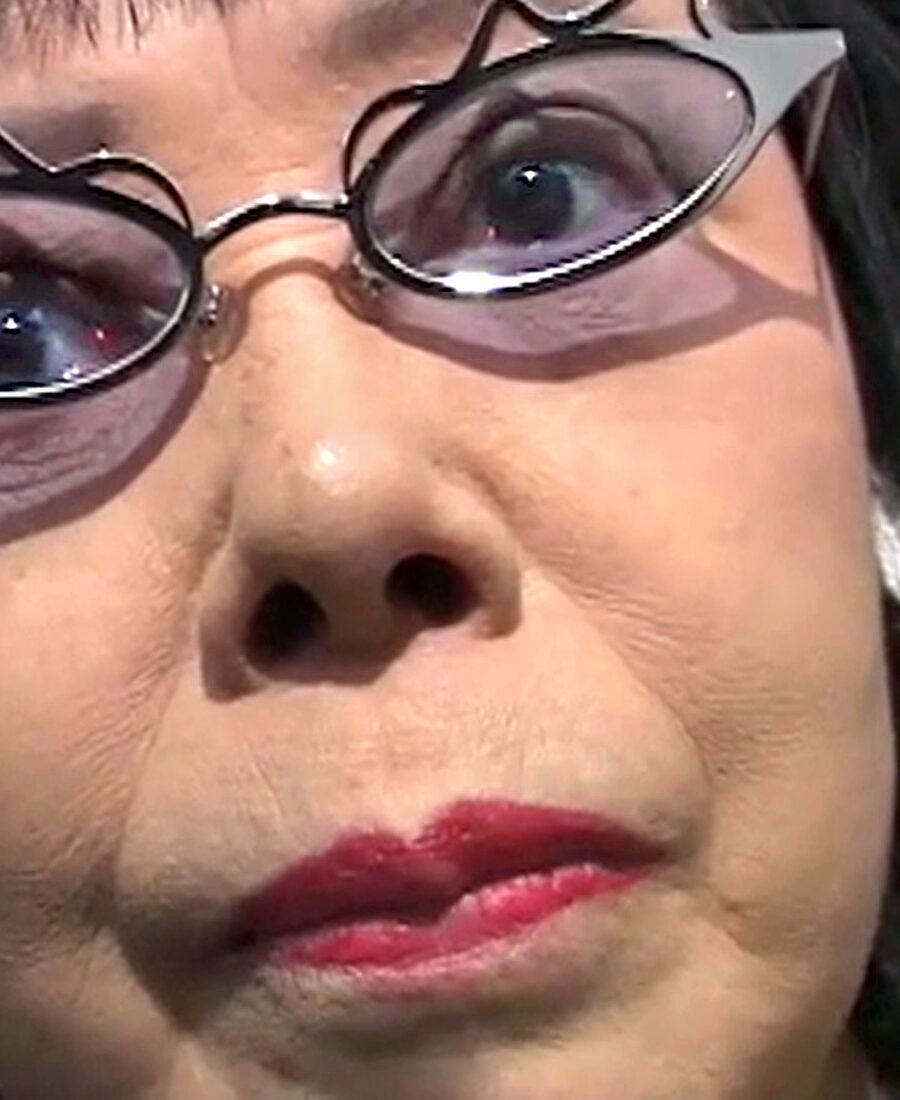
artist, installation maker, environment author
Kusama remains one of the most recognizable figures on the global art scene: her environments still function both as visitor magnets and as serious investigations into perception, psyche, and infinity.
Birth
Focus
Born on March 22, 1929.
Works across painting, installation, sculpture, and performance-oriented environments.
Official website: yayoi-kusama.jp.
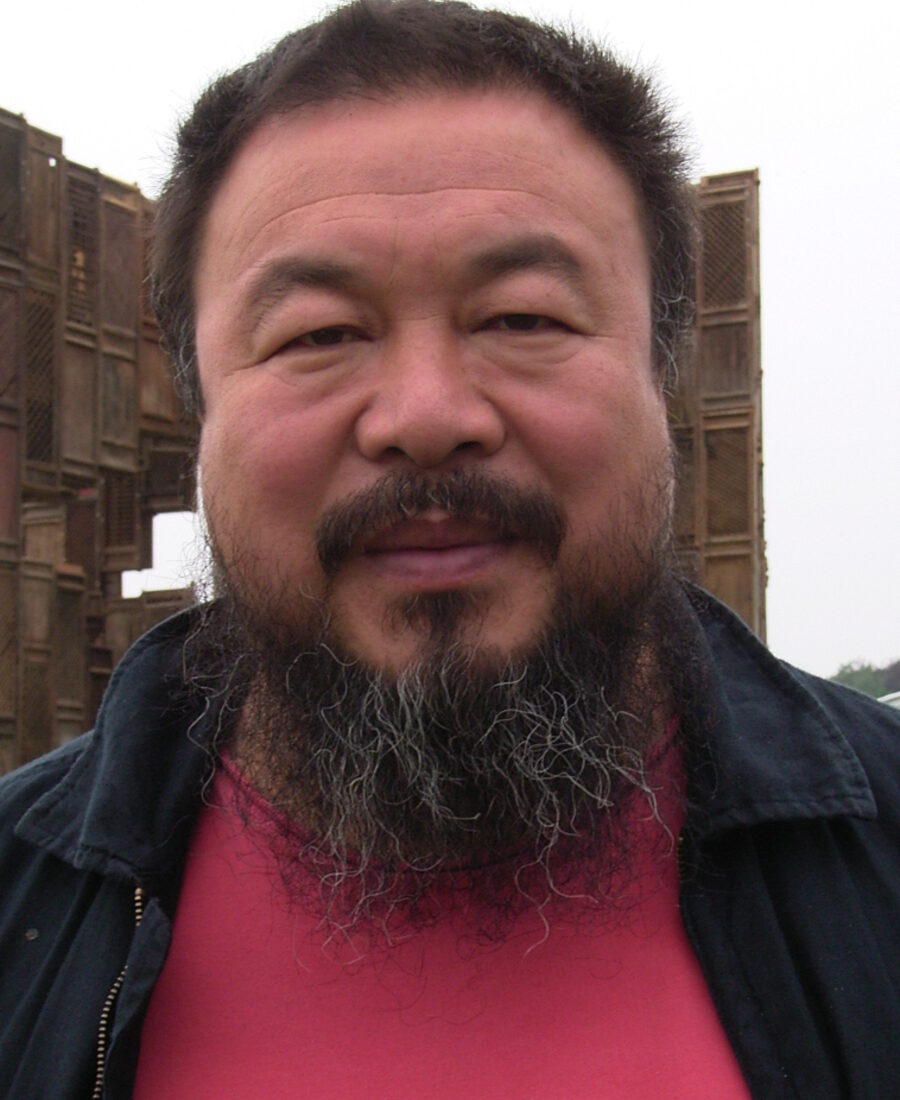
artist, architect, public critic
Ai Weiwei matters because aesthetics and civic critique remain inseparable in his practice; his projects continue to shape debates about freedom, archives, and power.
Birth
Focus
Born on August 28, 1957.
Known for large-scale installations and public actions.
Official website: aiweiwei.com.
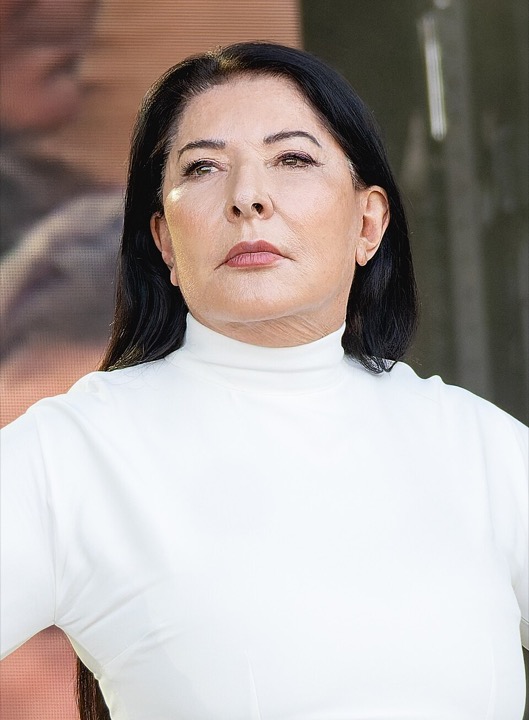
performance artist
Abramovic still defines the conversation around performance: her name has become nearly synonymous with art in which the work exists as an experience of time and attention.
Birth
Focus
Born on November 30, 1946.
The Marina Abramovic Institute operates as a public educational and research platform.
Official website: marinaabramovic.com.
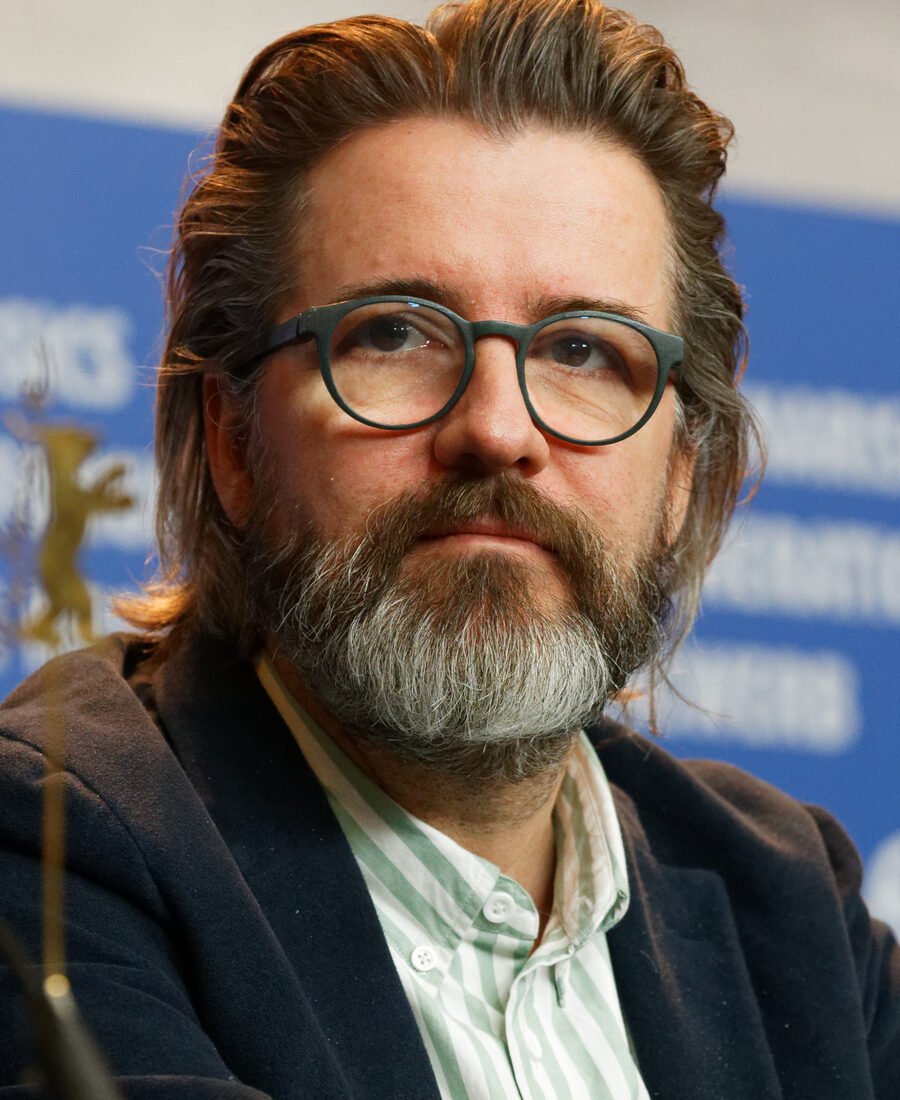
artist and environment maker
Eliasson remains one of the defining artists of environmental installation and ecological awareness, balancing visual impact with a wider public conversation.
Birth
Focus
Born on February 15, 1967.
Works between art, design, and architecture.
Official website: studioolafureliasson.net.
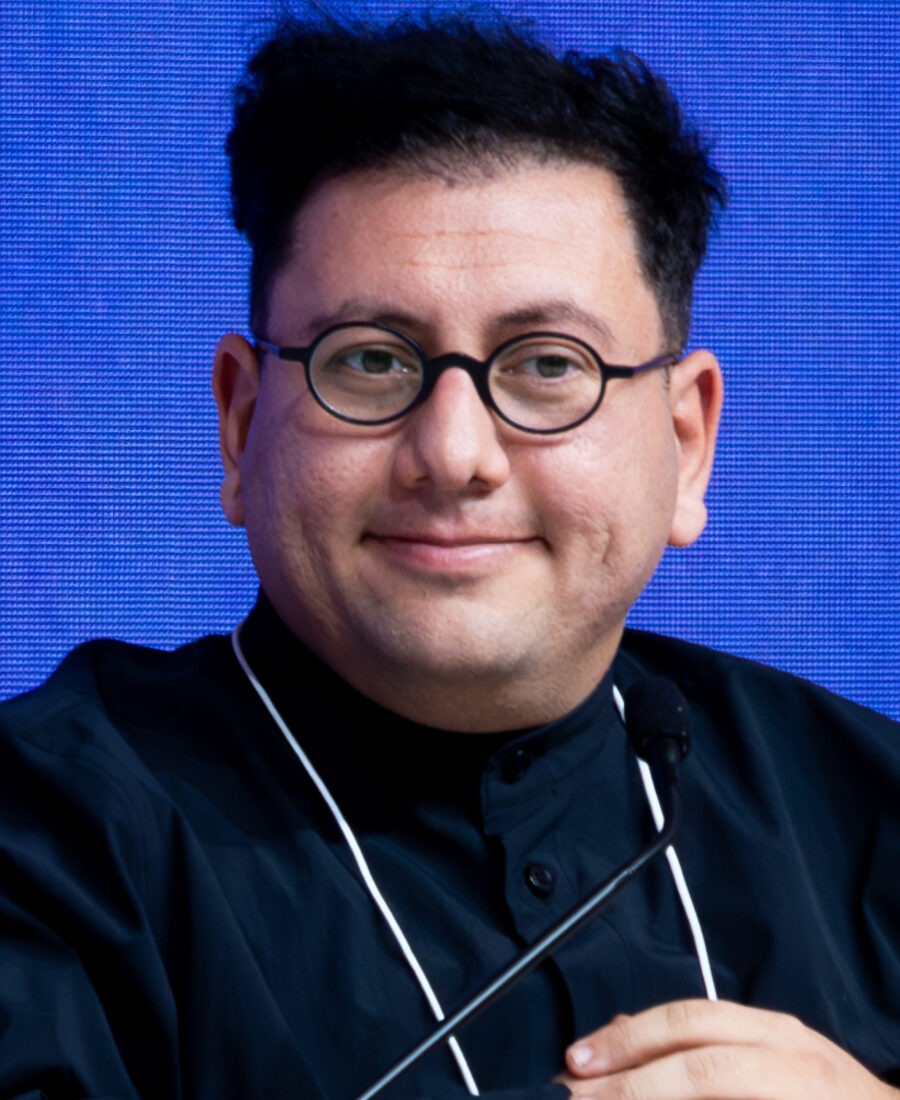
media artist, data-art practitioner
Anadol is central to the current conversation around digital art and AI art, helping audiences see how museum space changes under machine vision, datasets, and generative aesthetics.
Birth
Focus
Born in 1985.
Leads Refik Anadol Studio.
Official website: refikanadol.com.
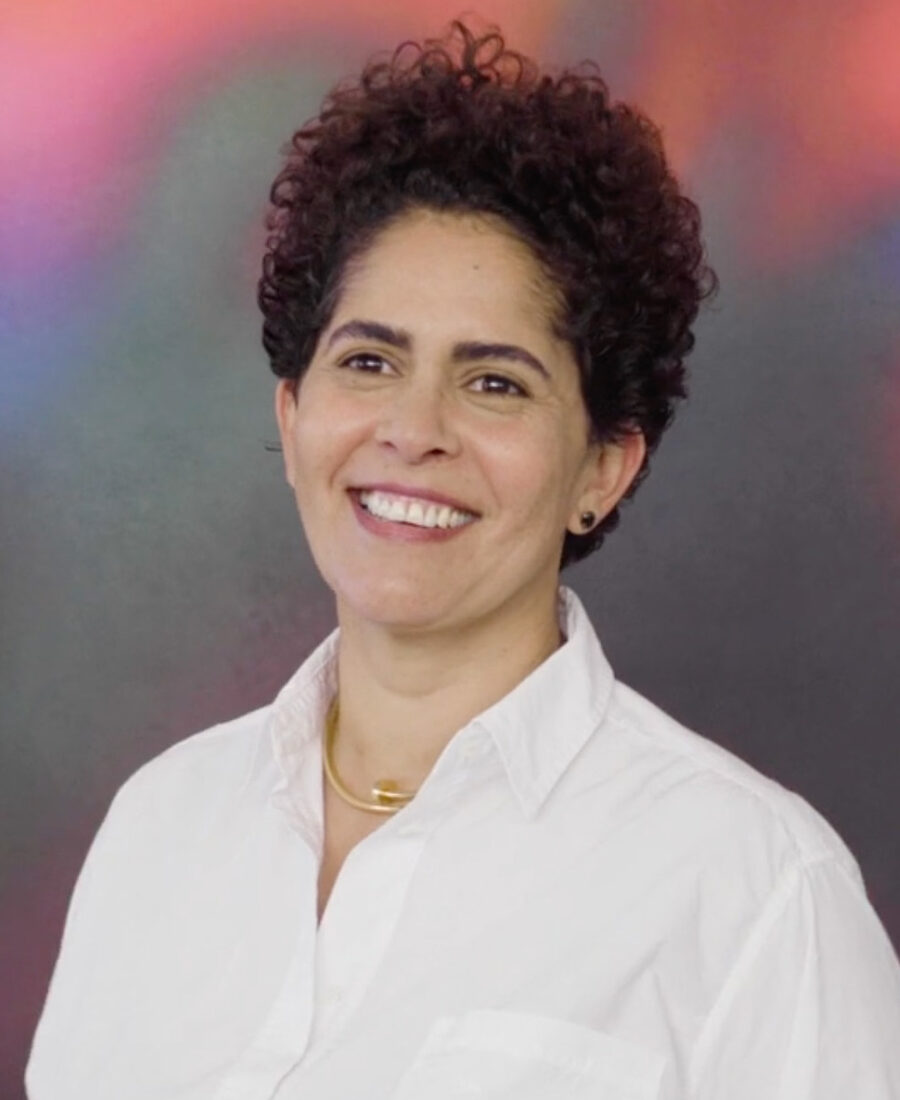
painter
Mehretu matters because she holds on to the scale and force of abstraction while speaking about migration, speed, conflict, and the cartography of the contemporary world.
Birth
Focus
Born in 1970.
Works in New York and appears in major museum projects internationally.
Public biographical information is widely available through museum catalogues and interviews.