
From the artist's life
Pollock worked on the floor, walking around and into his canvases; Life magazine asked in 1949 if he was the greatest living painter in the United States.
Source: Wikipedia / WikimediaAbstract Expressionism
Jackson Pollock (1912–1956) revolutionised painting with his drip technique, pouring and flinging paint onto canvases laid on the floor. His vast, rhythmic webs of colour made him the icon of Abstract Expressionism.
Pollock's radical action painting shifted the centre of the art world from Paris to New York.
Pollock worked on the floor, walking around and into his canvases; Life magazine asked in 1949 if he was the greatest living painter in the United States.
Source: Wikipedia / Wikimedia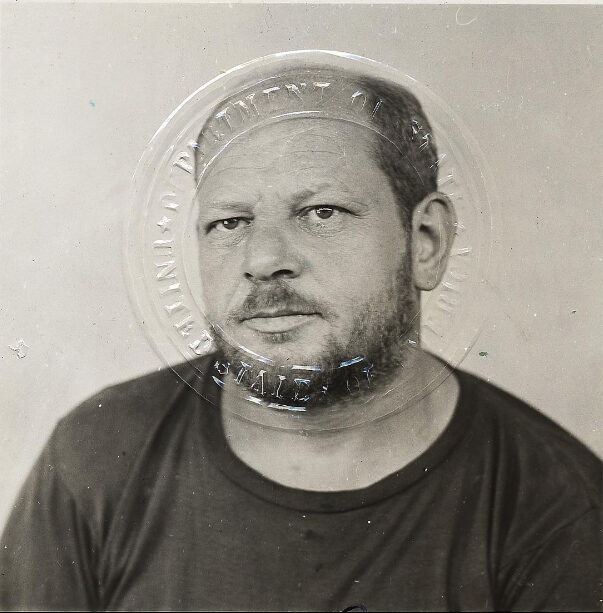
Key works
Works with a dedicated ArtAtlas page are highlighted in gold.
1950
Pollock never touched the canvas with a brush — he poured and dripped enamel while moving around it on the floor.