
From the artist's life
Seurat spent about two years and made dozens of studies for La Grande Jatte — then died of illness at just 31.
Source: Wikipedia / WikimediaPost-Impressionism
Georges Seurat (1859–1891) invented Pointillism, building luminous images from countless tiny dots of pure colour. His monumental A Sunday on La Grande Jatte is the manifesto of this scientific approach to painting.
Seurat brought optical science into art; his methodical dot technique influenced everyone from the Fauves to modern design.
Seurat spent about two years and made dozens of studies for La Grande Jatte — then died of illness at just 31.
Source: Wikipedia / Wikimedia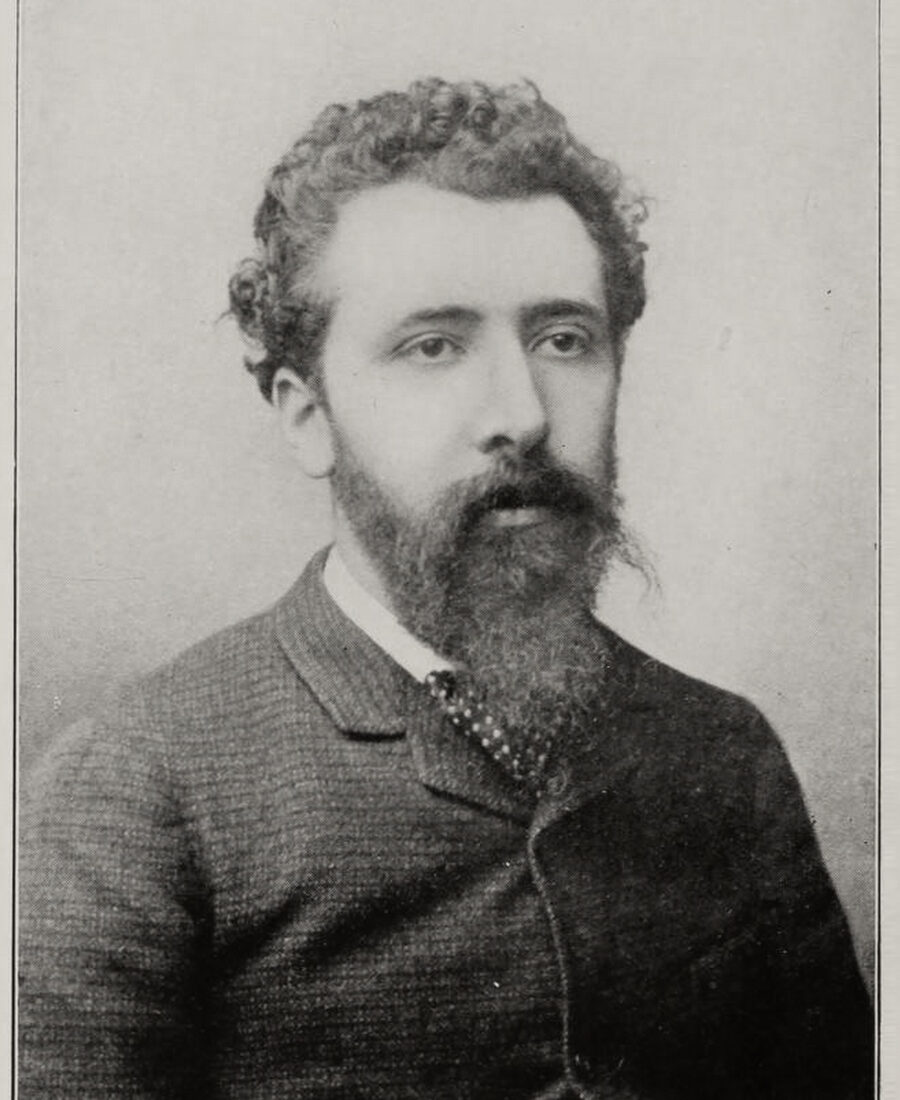

Key works
Works with a dedicated ArtAtlas page are highlighted in gold.
1884
A Sunday Afternoon on the Island of La Grande Jatte was painted from 1884 to 1886 and is Georges Seurat's most famous work. It is recognised as a leading example of pointillist technique and as a founding work of the neo-impressionist movement.