
From the artist's life
The Isenheim Altarpiece was made for a hospital treating skin disease; Christ's plague-ridden, sore-covered body was meant to comfort the dying patients.
Source: Wikipedia / WikimediaRenaissance
Matthias Grünewald (c. 1470–1528) was a German Renaissance master who rejected Italian idealism for raw, visionary intensity. His Isenheim Altarpiece is one of the most harrowing images of suffering in Western art.
Forgotten for centuries, Grünewald was rediscovered by the Expressionists, who saw a kindred spirit in his anguished vision.
The Isenheim Altarpiece was made for a hospital treating skin disease; Christ's plague-ridden, sore-covered body was meant to comfort the dying patients.
Source: Wikipedia / Wikimedia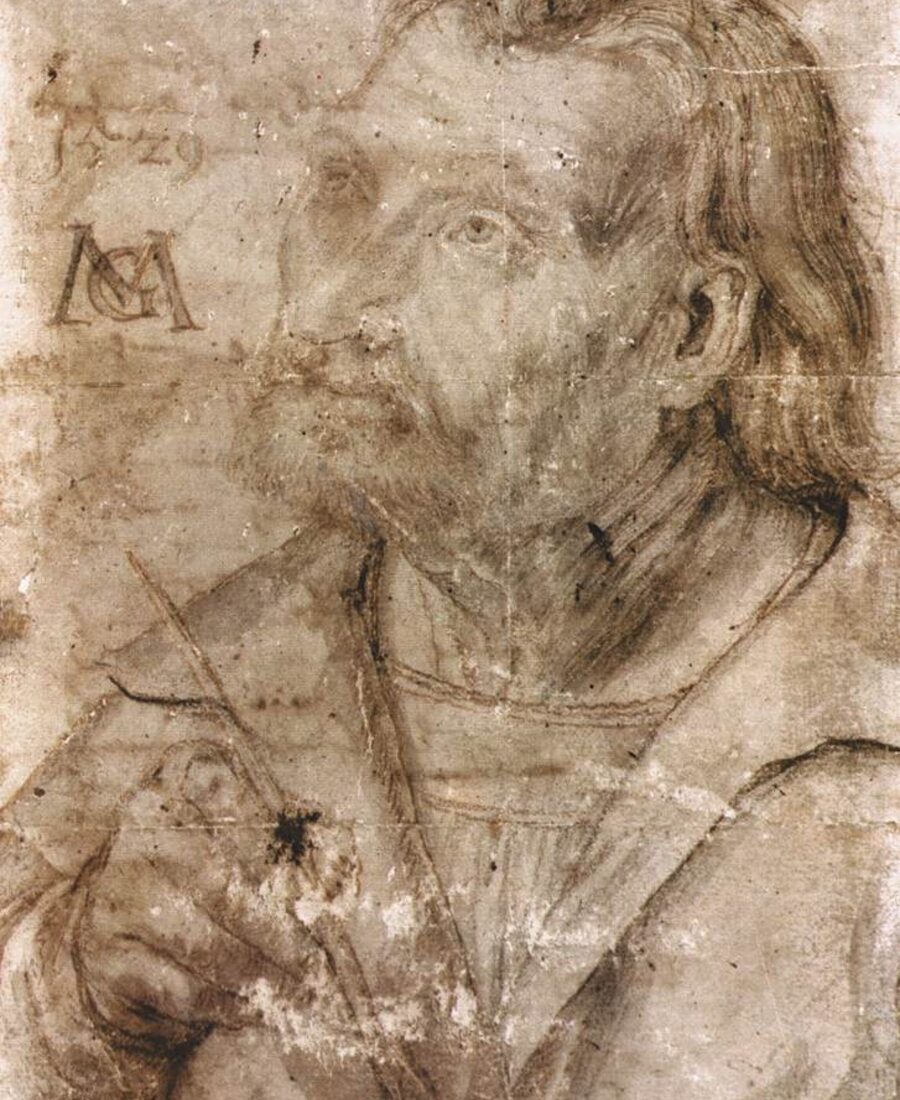

Key works
Works with a dedicated ArtAtlas page are highlighted in gold.
1512
The Isenheim Altarpiece is an altarpiece sculpted and painted by, respectively, the Germans Nikolaus Hagenauer and Matthias Grünewald in 1512–1516. It is on display at the Unterlinden Museum at Colmar, Alsace, in France.