
From the artist's life
Cézanne painted Mont Sainte-Victoire, the mountain near his home, more than 80 times, trying to grasp its underlying structure.
Source: Wikipedia / WikimediaPost-Impressionism
Paul Cézanne (1839–1906) was the father of modern art, who sought to build paintings from solid, geometric structure. His patient studies of apples, bathers and Mont Sainte-Victoire opened the road to Cubism.
Both Picasso and Matisse called Cézanne the father of us all; he turned painting toward abstraction.
Cézanne painted Mont Sainte-Victoire, the mountain near his home, more than 80 times, trying to grasp its underlying structure.
Source: Wikipedia / Wikimedia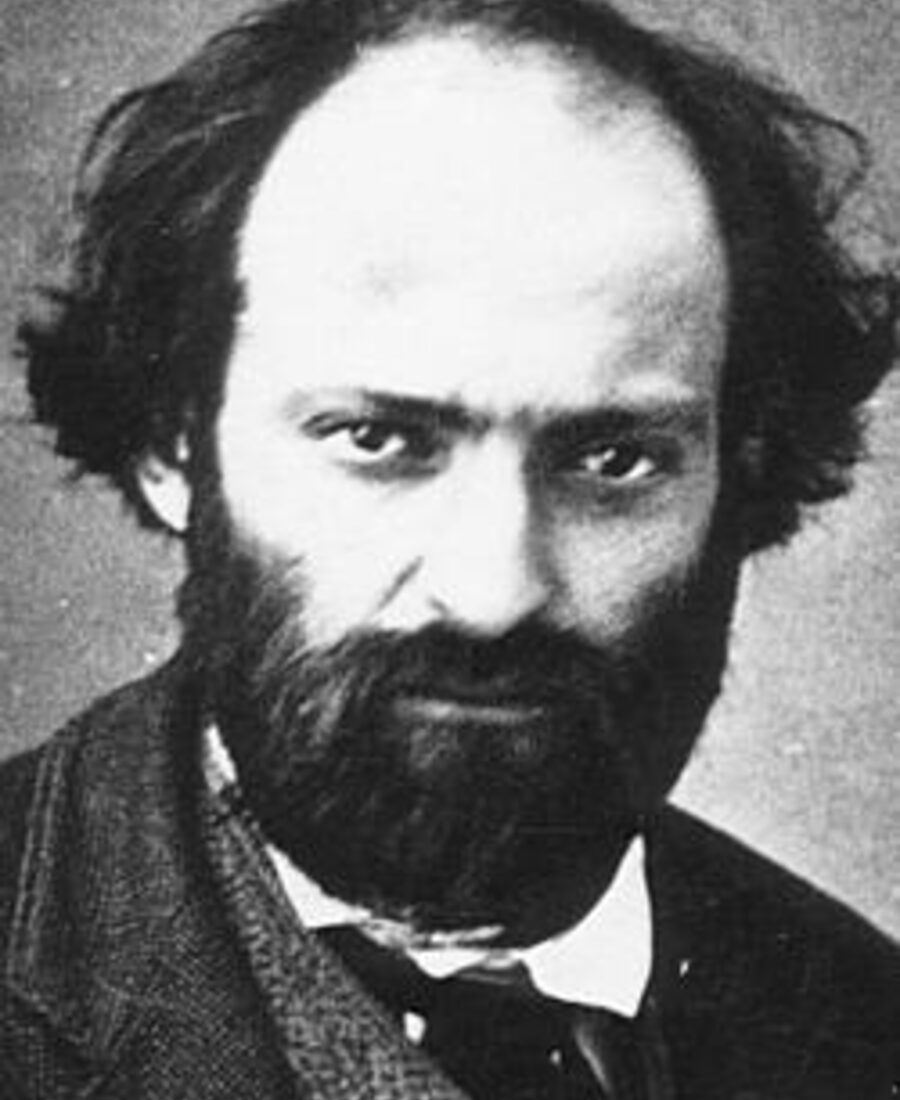

Key works
Works with a dedicated ArtAtlas page are highlighted in gold.
1902
Cézanne painted Mont Sainte-Victoire over 60 times between the 1880s and his death in 1906 — it was visible from his studio window outside Aix-en-Provence and became a near-obsession in his final years.
1893
The Card Players is a series of oil paintings by the French Post-Impressionist artist Paul Cézanne. Painted during Cézanne's final period in the early 1890s, there are five paintings in the series. The versions vary in size, the number of players, and the setting in which the game takes place.