
From the artist's life
In his Ecstasy of Saint Teresa, Bernini carved marble so masterfully that the saint's flowing robes and swooning body seem made of soft flesh and cloth.
Source: Wikipedia / WikimediaBaroque
Gian Lorenzo Bernini (1598–1680) was the genius of the Italian Baroque, a sculptor, architect and showman who shaped the look of Rome. He made cold marble seem to breathe, weep and tremble with life.
Bernini defined Baroque sculpture and architecture; his St Peter's Square still gathers the world before the Vatican.
In his Ecstasy of Saint Teresa, Bernini carved marble so masterfully that the saint's flowing robes and swooning body seem made of soft flesh and cloth.
Source: Wikipedia / Wikimedia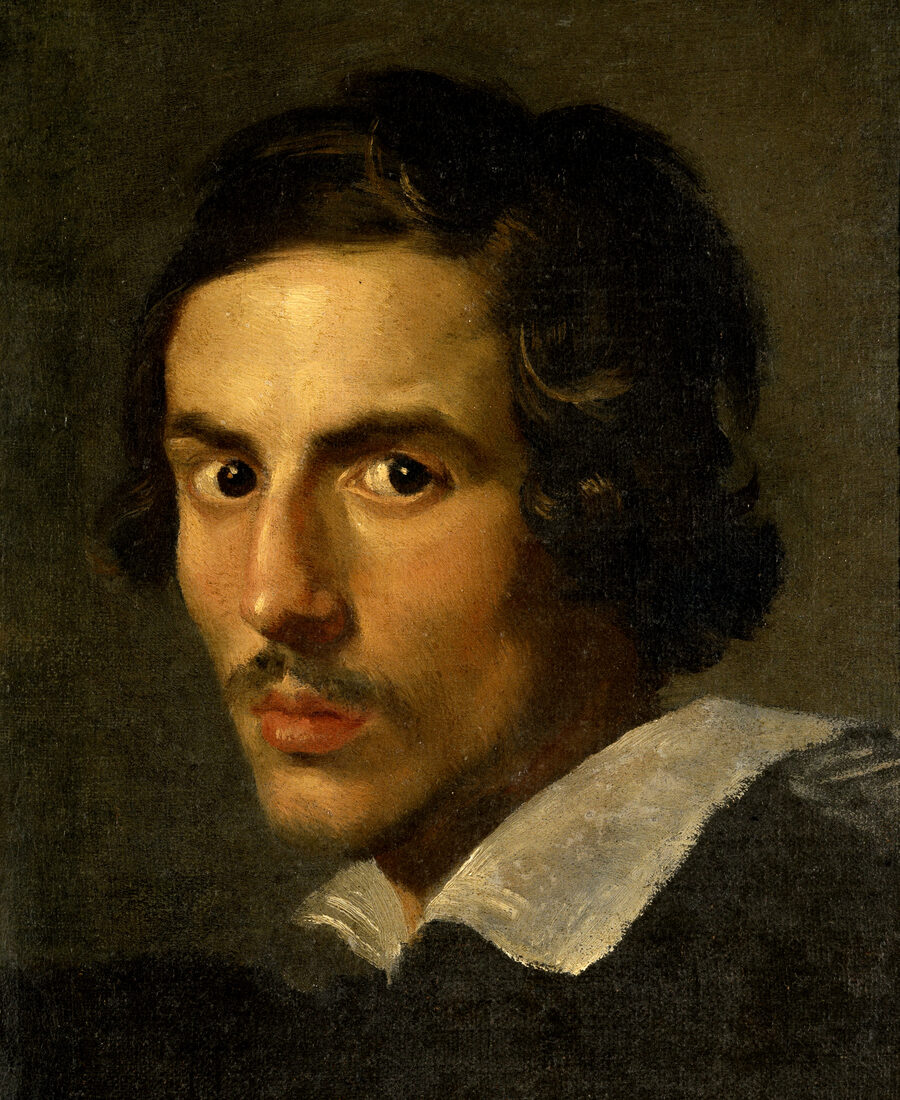

Key works
Works with a dedicated ArtAtlas page are highlighted in gold.
1622
Bernini carved the entire group from a single block of Carrara marble — the bark, leaves, and fingers all emerging from one continuous piece — which still stuns structural engineers today.
1647
The Ecstasy of Saint Teresa is a sculptural altarpiece group in white marble set in an elevated aedicule in the Cornaro Chapel of the church of Santa Maria della Vittoria in Rome. It was designed and carved by Gian Lorenzo Bernini, the leading sculptor of his day, who also designed the setting of the chapel in marble, stucco and paint.